Do Video Games Cause Violence? The Truth You Must Know
Do Video Games Cause Violence? From Screen Time to Conflict and Gaming-Related Stress at Home
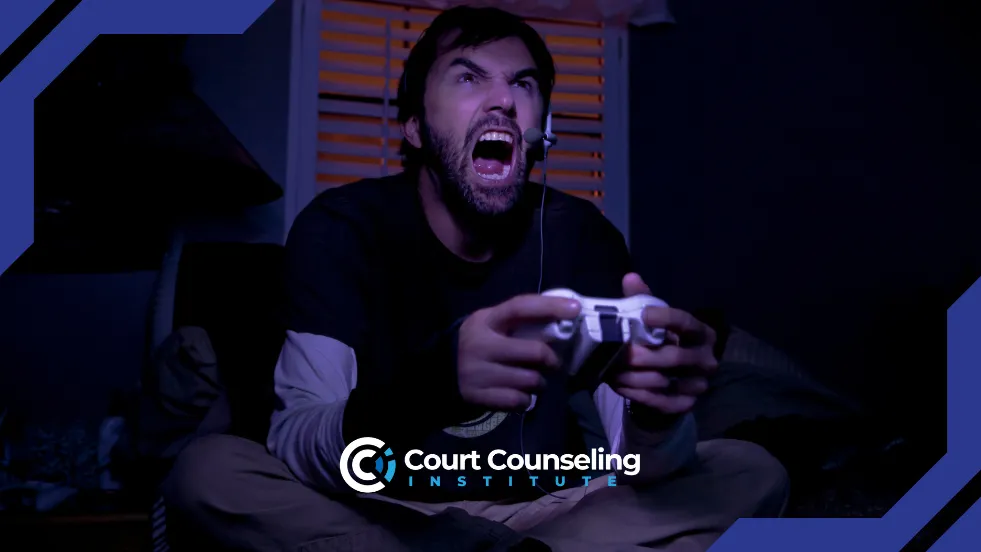
It often starts with a small disagreement over screen time, a controller thrown in frustration, a raised voice after losing a match. For the offender, these moments reveal deeper struggles with anger, stress, or feeling out of control. What begins as game-related irritation quickly escalates, spilling into the home and damaging relationships. The tension moves beyond the virtual world into real life.
With gaming more accessible than ever, families and legal professionals ask: Do video games cause violence at home? For many offenders, video games aren’t just entertainment, they can trigger or amplify aggressive behaviours linked to underlying emotional challenges. Sometimes gaming acts as a coping mechanism; other times, it’s the spark that ignites conflict. This blog post explores current research and trends, focusing on how gaming-related aggression affects offenders and families.

Do Video Games Cause Violence in Cases of Gaming Addiction?
Gaming can be a fun and harmless hobby, a way to relax, connect with friends, or escape from stress. But when it starts consuming someone's life, the mood at home can quickly shift. That’s when the connection becomes clearer, and people begin to ask: do video games cause violence? While not always directly, the signs are hard to ignore. Addictive gaming can lead people to withdraw emotionally from their families, skip important responsibilities, and snap over small interruptions. A simple request to pause the game can turn into a heated argument. Missed chores, ignored children, or lack of sleep from late-night gaming sessions all build up tension. We’ve seen this firsthand in counseling sessions, the hurt feelings, the blame, the confusion. So can violent video games cause violence at home? When games replace healthy routines or emotional balance, conflict is almost inevitable. These are just some of the 10 reasons why video games cause violence in real life.
Do Video Games Cause Violence? When Boundaries Are Missing at Home
In adult households, conflict often arises not because of games themselves, but because healthy boundaries around gaming are missing. Unchecked habits can create tension, arguments, and even aggression between partners or family members. Here’s how do video games cause violence can manifest in domestic settings:
No clear gaming boundaries: Without agreed-upon limits for screen time, games can dominate the household, leaving little space for communication, shared responsibilities, or family interaction.
Escalating frustration: Long gaming sessions can increase irritability, especially when life stressors like work, financial issues, or personal pressures are already present.
Avoiding responsibilities: When one partner prioritizes gaming over chores, finances, or emotional support, resentment and conflict can build quickly.
Arguments over interruptions: Requests to pause, turn off, or limit gaming often spark heated exchanges, showing how fragile boundaries can exacerbate domestic stress.
Using games as an emotional escape: Gaming may provide temporary relief from stress, but it can also mask underlying anger, relationship issues, or emotional challenges, making conflicts harder to resolve.
No healthy outlet for frustration: Without constructive ways to manage emotions, tension from gaming can spill over into verbal arguments or even physical altercations.
Modeling aggressive responses: When frustration over games is expressed through shouting, hostility, or aggression, it sets a pattern that can escalate conflicts at home.
Even in adult households, video games alone don’t cause violence, but the lack of structure, communication, and emotional coping strategies can turn recreational gaming into a flashpoint for conflict. Court Counseling Institute programs help adults establish healthy boundaries, communicate effectively, and manage stress, reducing the likelihood of gaming-related tension escalating into aggression.
Do Video Games Cause Violence? Insights from Real Legal Cases
In recent years, there’s been a noticeable rise in family court cases involving conflict linked to video games. Judges, counselors, and legal professionals are starting to ask more pointed questions: How many hours a day is the person gaming? What types of games are they playing? Is there a connection between their gaming habits and their anger issues? These questions aren't theoretical, they stem from real-life situations. We've seen cases where a teenager physically attacked a parent after being asked to shut off the console, or a partner filed for a restraining order due to repeated aggression after gaming sessions. In custody disputes, parents sometimes cite game-related neglect as part of their legal concerns. So, do video games cause violence? Not directly in every case, but the patterns are hard to ignore. In legal and counseling settings, it's becoming clear that video games cause violence when they’re tied to emotional instability. It's one of the overlooked factors in the 10 reasons why video games cause violence in the home.
Do Video Games Cause Violence by Promoting Emotional Desensitization?
One of the lesser-known impacts of violent games is emotional desensitization, especially in young or emotionally vulnerable players. When people spend hours in games that reward shooting, attacking, or dominating others, it can:
Numb their sensitivity to emotional cues.
Make aggressive behaviour seem normal.
Confuse fantasy with appropriate real-life reactions.
That doesn’t mean gamers don’t understand right from wrong, most do. But frequent exposure to violence can wear down emotional regulation. Combine that with real-life stress? You've got a storm waiting to happen. So when we ask, can violent video games cause violence, the answer is yes, when they strip away empathy or reduce emotional self-control.

Do Video Games Cause Violence in Individuals with a History of Anger?
At Court Counseling Institute, we often work with individuals who struggle with underlying anger issues, and many turn to gaming as an escape. While gaming can be a healthy stress reliever for some, for others dealing with trauma, short tempers, or personal stress such as divorce or job loss, violent video games can act like fuel on an already burning fire.
In these cases, the question of whether video games cause violence becomes more relevant. Not everyone who plays video games becomes aggressive, but can violent video games contribute to violent behavior when combined with unresolved emotional issues? Absolutely.
That’s why court-ordered anger management programs are so important. They help individuals recognize their triggers, set healthy boundaries around gaming, and develop healthier coping strategies. Ultimately, the link between video games and violence isn’t just about the content, it’s about the person behind the screen. In the wrong context, violent video games can make violent tendencies surface more easily.
Do Video Games Cause Violence or Are They Just a Convenient Scapegoat?
In recent decades, video games have become a dominant form of entertainment enjoyed by millions worldwide. Yet, alongside their rise in popularity, a controversial question has persisted: Do video games cause violence, or are they simply an easy target for blame when violent incidents occur? This debate touches on complex issues of psychology, culture, and media influence, challenging us to look beyond surface assumptions and examine the evidence critically. As society seeks answers, it’s important to ask whether video games are truly fueling aggression or if they’re just a convenient scapegoat in a world eager to find simple explanations for complicated problems.
Sometimes:
Gaming is just the surface-level issue, and the real problem is a lack of communication.
Violence stems from stress, trauma, or mental health conditions.
The person playing the game is using it to escape something deeper.
That’s why professional counseling can make a difference. It helps identify whether gaming is a cause, a symptom, or just a distraction from the real issue. At Court Counseling Institute, our programs are built with this nuance in mind. We don’t just treat the behaviour, we explore the root causes behind it. So while we can ask, “Do video games cause violence?”, the better question is: What else is going on in this person’s life that’s leading to conflict?
Do Video Games Cause Violence? Here's How Court Counseling Institute Can Help
If you’re dealing with family tension, emotional strain, or even legal issues that may be linked to gaming and anger, you’re not alone, and you don’t have to face it without support. At Court Counseling Institute, we offer court-approved counseling programs designed to help individuals and families navigate the challenges that often come with excessive gaming or aggressive behaviour. Our services include domestic violence classes, self-paced courses, and personalized therapy, all aimed at addressing the root causes of conflict and promoting healthier habits. Whether you’re dealing with anger management, family tension, or gaming-related aggression, our comprehensive programs provide the support and tools needed to foster positive change and restore peace at home.
Whether you're struggling with anger management, domestic violence, or behavioural issues tied to stress and screen time, our team brings compassion, experience, and professional guidance to the table. We understand the rising concern around questions like do video games cause violence or can violent video games cause violence, especially when these issues spill over into the home. Our programs address the deeper patterns behind conflict and help clients build healthier habits. It’s not just about the games, it’s about restoring peace. Because sometimes, the real answer to do violent video games cause violence lies in what’s going on underneath.
Facing Violence at Home Linked to Video Games? Find Support Now
Start your journey today with the Court Counseling Institute. Explore our court counseling programs today! Contact us to connect with professionals who understand your journey and where you want to go.