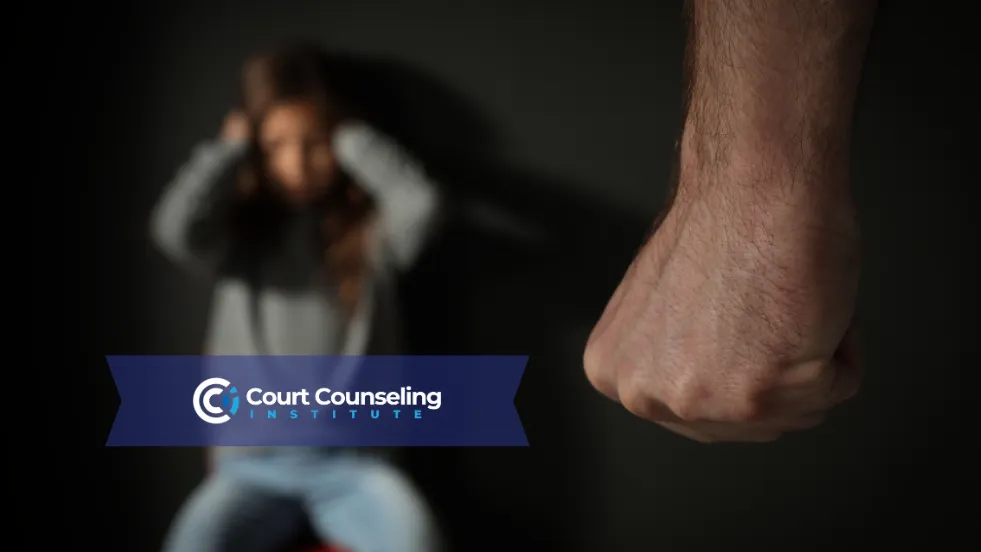
Breaking the Cycle: How to Recognize Patterns of Domestic Abuse Early
Recognizing Early Signs and Causes of Domestic Abuse
Domestic abuse often begins quietly before it becomes obvious. Early signs of a history of violence may show as small arguments, controlling behaviours, or emotional withdrawal. These actions, if left unchecked, can gradually escalate into more serious problems over time. Understanding the causes of domestic violence is crucial for recognizing harmful patterns early and taking steps toward change.
Recognizing what causes domestic violence helps stop abusive behaviour before it worsens. Common signs include emotional manipulation, financial control, and verbal threats. These behaviours often follow a clear pattern: first control, then isolation, and finally escalation. This progression shows how power and control play a central role in abusive dynamics. Understanding the causes of violence also helps individuals see how their actions affect others and why intervention is necessary to protect all involved.
By identifying the causes of domestic violence and early warning signs, individuals gain awareness of destructive behaviours. This awareness encourages seeking support and making meaningful changes to prevent further harm. Acknowledging a history of violence is a critical step toward reducing risks, breaking harmful cycles, and repairing relationships. Early intervention and education are essential for promoting safety and healthier connections in families and communities.
Understanding the Cycle of Domestic Abuse and How to Break It
The cycle of abuse explains why some relationships become dangerous over time. This cycle often repeats in clear stages: tension builds, abuse occurs, apologies follow, and then a period of peace returns. Although it may seem like things are improving during the peaceful phase, the cycle often restarts. This repetition traps those involved in a harmful and damaging pattern.
Each stage of the cycle can feel normal to the people caught in it. Hope may rest on good moments or promises of change. However, without meaningful intervention, these harmful patterns rarely stop on their own. When examining a history of violence, it becomes clear how this cycle keeps individuals emotionally and mentally stuck, making change difficult.
Breaking the cycle takes more than just willpower. It requires structured support, safe therapy, and sometimes legal oversight to guide change. Recognizing this damaging pattern is the first essential step. After that, education and counseling provide the tools needed for lasting transformation. Understanding what causes domestic violence and taking action early are critical to breaking free from this cycle and preventing further harm to individuals and families.
Exploring the Complex Causes of Domestic Abuse
Many ask, "What causes domestic violence?" The answers are complex and go beyond simple explanations. A history of violence often begins with early exposure to unhealthy behaviours. Over time, these behaviours can become deeply ingrained. While abuse is never justified, understanding the causes of domestic violence helps create lasting solutions.
Common causes of domestic violence include:
Learned behaviour from childhood environments
A need for control or power over others
Substance abuse or untreated mental health issues
Chronic stress from finances, relationships, or life events
These factors do not excuse harmful actions but help explain what causes domestic violence in many cases. Recognizing these root causes of violence allows professionals to offer better support. Through therapy, education, and consistent intervention, destructive behaviours can be unlearned. When reviewing a history of violence, patterns become clear. With the right tools and support, those patterns can be broken, leading to safer and more respectful relationships.

Beyond Bruises: Understanding the Hidden Forms of Domestic Abuse
Abusive behaviour often goes beyond what is visible. It includes emotional, financial, sexual, and verbal actions that control or harm others. These behaviours damage well-being and safety by isolating or intimidating partners. Emotional abuse may involve insults, blame, or threats. Financial abuse limits access to money or resources. Verbal abuse can slowly break down a person’s confidence and self-worth.
For offenders, examining a history of violence reveals the full scope of harmful actions. Abuse often hides behind silence, fear, and shame. This silence allows destructive behaviour to continue and escalate over time. Without intervention, these patterns are likely to repeat, causing more damage in relationships.
Recognizing the causes of violence means understanding how power and control operate in abusive behaviour. Education and awareness help offenders take responsibility and change their actions. This is essential to breaking harmful cycles and promoting safer, healthier relationships.
The Role of Trauma in Domestic Abuse: Breaking the Cycle of Violence
Trauma plays a significant role in the causes of domestic violence. Past harm can influence present behaviour, increasing the risk of abusive actions. Trauma affects how individuals think, respond, and relate to others. It may cause anger, numbness, or a strong need for control.
Without proper support, trauma can lead to repeated harmful behaviour and a continued history of violence. Therapy helps individuals understand their past while encouraging full responsibility for their actions. Healing requires professional help and a commitment to change.
Addressing trauma is key to reducing future abuse. It helps break the cycle of violence by creating space for safer and more respectful relationships. Understanding the impact of trauma is vital when examining the causes of domestic violence and working toward lasting change.
How Culture Influences Domestic Abuse and the Cycle of Violence
Culture shapes how people view relationships and conflict. In some communities, aggression or male dominance may be seen as normal. In others, shame keeps harmful behaviour hidden. These influences often become part of a history of violence, passed down through generations and rarely questioned.
Cultural beliefs about gender, family roles, and strength often contribute to the causes of domestic violence. When left unchallenged, these beliefs allow abuse to continue. A cycle of abuse forms as harmful patterns from childhood repeat. This history of violence may include unspoken rules that enable silence and entitlement.
Breaking free requires challenging damaging beliefs. Education helps recognize all types of abuse, including emotional and verbal harm. Respecting culture does not mean accepting violence. Everyone deserves safety. Ending the cycle begins by confronting the history of violence in families and communities and choosing change.
Breaking the Cycle of Domestic Abuse: How Therapy and Education Help
The cycle of abuse can be broken with the right guidance and support. Participating in a structured domestic violence class or an online domestic violence course helps individuals recognize harmful behaviours and take responsibility for change. These programs combine therapy, accountability, and community resources to address patterns rooted in a history of violence.
Many struggle to reflect on their actions or understand court requirements. Domestic violence therapy teaches important skills like identifying triggers, managing emotions, and establishing respectful boundaries. These tools are essential for showing genuine progress in both personal growth and legal compliance.
Understanding the causes of domestic violence shifts the focus from blame to change. Harmful behaviour is not fixed but can be transformed through counseling and education. Taking responsibility is the first step toward breaking harmful cycles and building healthier, safer relationships.

Meet Court Requirements with Court Counseling Institute’s Domestic Abuse Therapy and Education
Court Counseling Institute is a trusted provider of court-approved counseling and education for individuals facing legal requirements and emotional challenges. Our programs include an online domestic violence course, live classes, and private therapy sessions. All are designed to meet court standards and support lasting change.
When addressing a history of violence, our team helps clients understand the patterns behind harmful behaviours. Each program offers structured content, therapeutic guidance, and accountability. We provide court-approved completion letters, progress updates, and detailed reports for those meeting court expectations.
Licensed professionals deliver support in a private, secure, and affordable online setting. Whether you choose the online domestic violence course, live class, or private therapy, we offer flexible solutions tailored to your needs. Healing from a history of violence requires commitment and the right guidance. Court Counseling Institute is here to help you complete your requirements and move toward a safer, healthier future, step by step.
Creating Change Together: Awareness and Prevention of Domestic Abuse
Understanding a history of violence is important for those who want to change harmful behaviours. It affects not only those who cause harm but also their families, professionals, and communities. Everyone has a role in stopping abuse and supporting healthy relationships. Learning through a domestic violence class or domestic violence therapy can help break the cycle.
Studying a history of violence leads to better questions and greater self-awareness. It encourages taking responsibility and seeking support. Tools like an online domestic violence course or therapy help build skills, increase awareness, and reduce harmful reactions.
Legal systems, therapists, and communities must work together to improve responses to violence. Awareness creates space for accountability and healing. It reduces stigma and offers a path forward. By investing in prevention, education, and support, lasting change becomes possible. Taking domestic abuse seriously protects lives and helps build safer, more respectful communities.
Start Your Journey to Ending Domestic Abuse with Court Counseling Institute
Contact us at Court Counseling Institute to take the first step toward change. Our court-approved programs offer support and guidance to help you break harmful patterns. Begin your path to a safer, healthier future today.