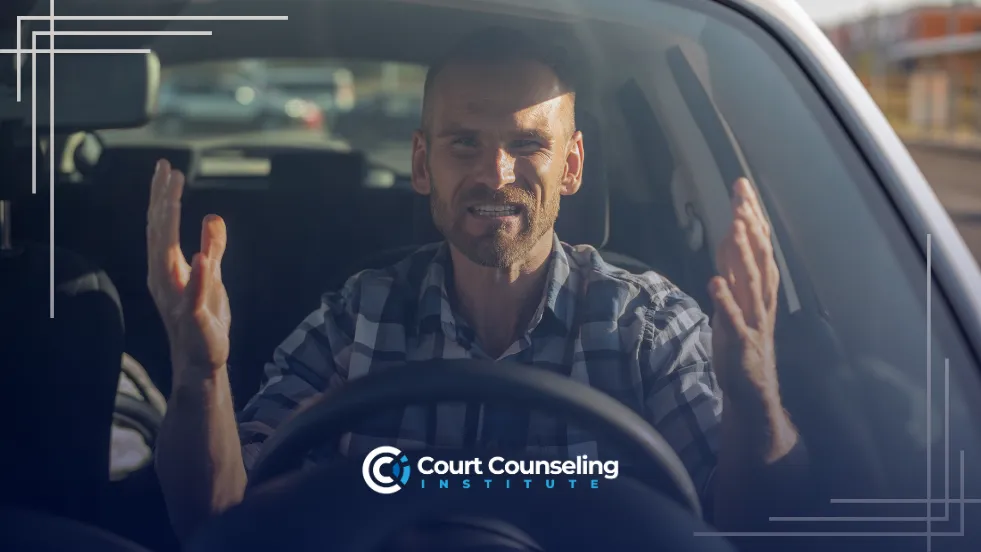
Drive Angry: The Alarming Signs You Need a Road Rage Class Now
Recognize Aggressive Driving Behaviors Before They Land You in Trouble
Have you ever felt your blood boil behind the wheel? Maybe someone cut you off, tailgated you, or refused to signal. That surge of anger might feel justified in the moment, but it can quickly escalate into aggressive driving behavior that puts everyone on the road at risk. Recognizing signs of road rage, such as excessive honking, speeding, or hostile gestures, is critical to preventing dangerous situations. Left unchecked, these behaviors can result in incidents of road rage with serious consequences, including accidents, fines, and legal trouble. Understanding your tendencies toward aggressive driving allows you to stay calm and make safer decisions. Simple steps like slowing down, maintaining distance, and practicing patience help prevent aggressive driving behavior from escalating. Most importantly, remembering to dont drive angry can save lives, reduce stress, and make driving a safer experience for everyone sharing the road. Awareness and self-control are key to preventing road rage.

Understanding Aggressive Driving: What You Need to Know
Aggressive driving isn’t just honking, speeding, or weaving through traffic, it’s a dangerous pattern of aggressive driving behavior that can escalate quickly. Recognizing signs of road rage, such as tailgating, frequent lane changes, or hostile gestures, is essential to prevent harm. Every year, incidents of road rage contribute to thousands of crashes, injuries, and fatalities. Even minor expressions of anger behind the wheel can turn into serious accidents if ignored. Drivers who learn to control impulses and follow safe practices understand why it’s critical to dont drive angry. Awareness of aggressive driving behaviors is the first step toward safer, calmer roads for everyone sharing the highway.
Key examples of aggressive driving behavior include:
Tailgating or Cutting Off Other Drivers: Tailgating and cutting off other drivers are clear examples of aggressive driving behavior. These actions can trigger incidents of road rage and escalate conflict on the road. Always remember to stay calm, follow safe distances, and dont drive angry to prevent accidents and legal consequences.
Excessive Speeding: Excessive speeding is a dangerous form of aggressive driving that puts everyone at risk. It’s a common sign of road rage and can easily lead to tickets, crashes, or serious injuries. Practicing self-control and choosing to dont drive angry helps reduce stress and maintain safer driving habits.
Unsafe Lane Changes or Weaving: Weaving through traffic and making unsafe lane changes are prime examples of aggressive driving behavior. These signs of road rage increase the likelihood of collisions. Drivers who dont drive angry stay patient, follow traffic rules, and avoid impulsive decisions that could trigger incidents of road rage.
Yelling or Gesturing at Other Drivers: Yelling or making rude gestures at other drivers is a behavioral warning of aggressive driving. Such reactions often indicate signs of road rage and can escalate incidents of road rage. To stay safe, take deep breaths, remain calm, and dont drive angry.
Recognizing these behaviors in yourself is crucial. One minor lapse can spiral into incidents of road rage with legal consequences, fines, or worse, serious accidents.
Common Signs of Aggressive Driving Behind the Wheel
How do you know if your frustration behind the wheel is turning into road rage? Recognizing signs of road rage early can prevent dangerous situations. Common indicators include tailgating, excessive honking, weaving through traffic, or making hostile gestures, each reflecting aggressive driving behavior. Frequent speeding, racing other drivers, or reacting angrily to minor delays are also red flags. These incidents of road rage can quickly escalate into accidents, legal trouble, or serious injuries. Learning to control impulses, stay patient, and follow safe driving practices is essential. Always remember to dont drive angry, as managing your emotions is key to preventing aggressive driving and keeping roads safe for everyone.
Frequent Anger Over Minor Traffic Issues: Frequent anger over minor traffic issues is a major sign of road rage and a common form of aggressive driving behavior. Letting small frustrations control your driving increases incidents of road rage. Remember to stay calm and always don't drive angry to protect yourself and others.
Constantly Speeding or Driving Aggressively When Stressed: Constantly speeding or driving aggressively when stressed is a serious example of aggressive driving. Stress often triggers signs of road rage, leading to dangerous incidents of road rage. Managing emotions and making a conscious effort to dont drive angry can prevent accidents and legal trouble.
Repeatedly Honking, Flashing Lights, or Using Offensive Gestures: Repeatedly honking, flashing lights, or using offensive gestures reflects aggressive driving behavior. These actions are clear signs of road rage and can escalate into serious incidents of road rage. Staying calm behind the wheel and practicing dont drive angry reduces risk and ensures safer roads.
Racing or Challenging Other Drivers: Racing or challenging other drivers is a dangerous example of aggressive driving. These behaviors are obvious signs of road rage that often result in serious incidents of road rage. Maintaining self-control and making a conscious choice to dont drive angry protects both you and others.
If you notice these patterns, it’s a red flag that you may need help managing your emotions while driving. Remember, the best rule is: don’t drive angry. It’s not just advice, it’s a law-abiding safety measure.
Legal Consequences of Aggressive Driving
Many drivers underestimate how quickly aggressive driving can become a serious legal issue. Aggressive driving behaviors can lead to heavy fines and traffic citations, as these penalties often follow incidents of road rage and are a direct result of unsafe aggressive driving behavior. Persistent reckless actions may even result in license suspension or revocation, as courts take repeated incidents of road rage seriously, especially when signs of road rage escalate. In some cases, aggressive driving can require court appearances, legal fees, and time-consuming proceedings. Recognizing early signs of road rage and choosing to dont drive angry can prevent these complications. In extreme situations, aggressive driving behavior can cause injury, leading to criminal charges or even assault and vehicular manslaughter cases. The legal system treats incidents of road rage with severity because they endanger the public. This is where structured, court-approved programs like those offered by the Court Counseling Institute make a real difference, helping drivers learn to manage emotions, control impulses, and always dont drive angry.

Practical Tips to Avoid Aggressive Driving
Even outside of formal programs, there are daily strategies to reduce aggressive driving:
Plan Extra Travel Time to Avoid Stress: Planning extra travel time helps reduce stress and prevents aggressive driving behavior. Rushing increases signs of road rage and the likelihood of incidents of road rage. By giving yourself more time, you stay calm, make better decisions behind the wheel, and always remember to dont drive angry.
Listen to Calming Music or Podcasts While Driving: Listening to calming music or podcasts can help reduce tension and curb aggressive driving. Managing your mood lowers signs of road rage and decreases the chance of incidents of road rage. This simple habit encourages safer driving and reinforces the rule to dont drive angry.
Take Deep Breaths and Practice Mindfulness in Traffic: Practicing deep breathing and mindfulness helps control aggressive driving behavior. Focusing on calm awareness reduces signs of road rage and prevents incidents of road rage. Mindful driving keeps you safe, improves patience on the road, and reminds you to dont drive angry even in stressful situations
Avoid Engaging with Aggressive Drivers: Ignoring provocations from other drivers prevents escalation of aggressive driving and reduces incidents of road rage. Responding aggressively can trigger signs of road rage in yourself and others. Staying composed, maintaining distance, and choosing to dont drive angry is key to safe, responsible driving.
Always Remember: Don’t Drive Angry: The simplest and most important rule is to always dont drive angry. Letting aggressive driving behavior control your actions can lead to serious incidents of road rage and legal trouble. Recognizing signs of road rage early helps you stay calm, protect others, and drive safely.
Small steps can prevent aggressive driving behavior from escalating into dangerous or illegal incidents.
How Court Counseling Institute Helps Drivers Control Aggressive Driving
Court Counseling Institute provides specialized programs in aggressive driving counseling and education to help drivers understand their aggressive driving behavior and prevent future incidents of road rage. These programs are carefully designed to address the root causes of unsafe driving, teaching participants how to recognize signs of road rage and develop healthier coping strategies on the road. Through structured courses, drivers receive targeted lessons on anger management, defensive driving techniques, and practical ways to stay calm in stressful traffic situations. In addition, participants receive personalized support from professional counselors who provide guidance, feedback, and strategies to control impulses and reduce frustration behind the wheel. Completing these programs not only equips drivers with the tools to manage their emotions but also ensures legal compliance, as many courses meet court requirements and can reduce penalties associated with aggressive driving behavior. By the end of the program, drivers learn how to avoid risky situations, respond calmly to other drivers, and adopt habits that prevent incidents of road rage. The ultimate goal is to create lasting change, encouraging drivers to always dont drive angry, maintain control on the road, and protect themselves and others from harm. These courses combine education, accountability, and support to transform aggressive drivers into safer, more responsible road users.
Take Control of Your Driving Today
Aggressive driving doesn’t have to define your time on the road. Explore our court counseling programs today! Contact us to connect with professionals who understand your journey and where you want to go.