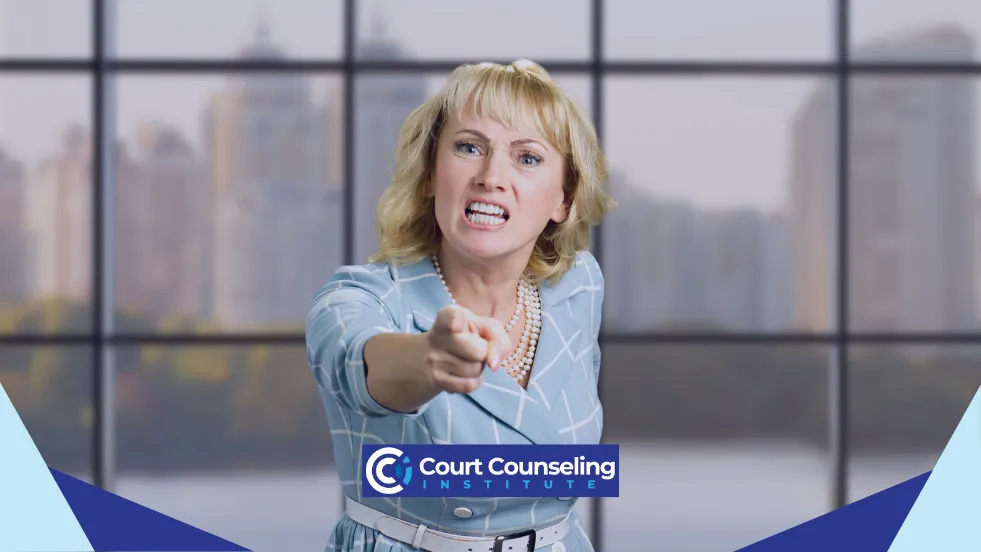
How Do I Control My Anger at Work? Build Calm, Confidence, and Career Growth
Losing It at Work? You’re Not Alone
Ever slammed your keyboard in frustration? Did you walk out of a meeting because someone pushed your buttons? Maybe you didn’t say anything, but your face said it all. If this sounds familiar, you’re not the only one. Workplace stress can trigger strong emotions, anger, resentment, anxiety, or even burnout, and when those emotions boil over, it can hurt your job, reputation, and relationships with your coworkers. Left unmanaged, these reactions can create lasting damage. That’s why more professionals are asking: how do I control my anger, especially when everything feels out of control? In this blog, we’ll break down the early warning signs, why managing anger matters more than ever, and most importantly, how to control ones anger before it damages your career, personal well-being, or gets you in serious legal trouble.
How Do I Control My Anger When Work Feels Overwhelming?
It’s common to start the workday with positive intentions, only to encounter unexpected setbacks, such as a printer malfunction, an overflowing inbox, or a coworker missing deadlines. These challenges can quickly break down your patience and lead to feelings of frustration or anger. That’s why learning how to control ones anger is essential, not just to maintain professionalism but to protect your well-being and workplace relationships.
So, how can you effectively manage anger in these high-pressure situations?
Here is a practical approach to help you regain control:
Pause and Breathe
Taking a few deep breaths activates the parasympathetic nervous system, which helps calm your body and mind. This simple action can prevent an immediate emotional reaction.
Identify and Label the Emotion
Acknowledge by stating what you are feeling, for example, “I’m feeling frustrated,” rather than dismissing your emotions with “I’m fine.” This practice helps reduce internal tension and increases emotional awareness.
Step Away Temporarily
If possible, take a short break or a brief walk. Physical movement and distance from the triggering situation allow your mind to reset and reduce impulsive responses.
Respond Thoughtfully, Don’t React Impulsively
Instead of raising your voice or expressing anger aggressively, communicate calmly and assertively. Clearly express how the situation affects you and what you need moving forward.
The goal is not to suppress anger entirely, but rather to channel it constructively. Managing anger productively is essential, especially when your professional reputation and career advancement depend on maintaining composure under stress.

How Do I Control My Anger Without Losing My Edge?
Anger usually comes from a good place; you care about your work, values, or being treated fairly. But if you express your anger the wrong way, it can cost you your job, or it can even lead to court-ordered counseling.
So, how do you manage your anger while still standing up for yourself?
Here are some simple tips:
Be assertive, not aggressive. Speak up clearly and respectfully without blaming or attacking others. Being firm doesn’t mean being rude.
Really listen when there’s a conflict. Instead of planning your next argument, focus on what the other person is saying. It helps calm things down and shows respect.
Write it out before you say it. Drafting emails or notes gives you a chance to think things through and avoid saying something you might regret.
Pick your battles. Not every issue is worth fighting over. Save your energy for what really matters.
Managing anger isn’t about ignoring how you feel or being passive. It’s about staying in control and handling things in a way that works for you, and keeps your career safe. When you manage your emotions effectively, you build respect and trust with those around you. It also helps you make clearer decisions, even in stressful situations. Ultimately, controlling your anger is a skill that benefits both your professional and personal life.
How Do I Control My Anger Before It Affects My Reputation?
Here’s a hard truth: people remember outbursts. One angry moment can shape how colleagues and supervisors perceive you, especially in high-pressure or professional settings. Maintaining your reputation and credibility means managing anger before it escalates.
To prevent anger from building up, focus on long-term strategies that will help you stay balanced and in control:
Practice regular self-reflection or journaling. Taking time to explore your thoughts and feelings helps you understand triggers and patterns.
Use exercise or hobbies as healthy outlets. Physical activity and creative pursuits provide a productive way to release built-up tension.
Set clear boundaries around your workload. Managing your tasks realistically can reduce stress and prevent frustration from piling up.
Seek professional support when needed. Talking with a counselor can uncover deeper issues behind your anger and offer effective coping tools.
You don’t have to suppress your emotions, but it’s important to find safe and constructive ways to express them. As the saying goes, it’s better to be slow to anger than quick to explode, because how you handle your emotions has a lasting impact on your career and relationships.
How Do I Control My Anger When People Push My Buttons?
We all encounter that one coworker or individual who seems to know exactly how to get under our skin. It’s natural to feel upset when someone appears to target your weaknesses or challenge you personally. However, learning how to deal with anger in these moments is essential for maintaining professionalism and protecting your well-being. Developing effective emotional regulation skills helps you stay calm, think clearly, and respond thoughtfully rather than react impulsively.
Here are some practical strategies to help you regulate your emotions in those moments:
Practice mental distancing: Remind yourself that their behaviour reflects their own issues and isn’t about you personally. This perspective helps reduce emotional reactivity and encourages you to be slow to anger.
Redirect your focus: Instead of dwelling on what upset you, channel your energy into finding solutions or ways to move forward.
Use humor or light sarcasm carefully: When appropriate, this can diffuse tension and lighten the mood without escalating the conflict.
Repeat calming mantras: Phrases like “I’m choosing peace over proving a point” can center your thoughts and help you stay calm.
The more you practice these techniques in everyday situations, the easier it becomes to remain composed, even during heated interactions. Over time, managing your response becomes second nature, helping you maintain stronger relationships and a clearer mind under pressure.

How to Get Rid of Anger That’s Been Building for Years
For many people, how to deal with anger isn’t just about the everyday annoyances or occasional frustrations, it’s the result of years of unspoken resentment, unresolved injustice, or deep personal trauma. When anger has been simmering for so long, learning how to get rid of it isn’t just about managing outbursts, it’s about healing the underlying pain and breaking free from harmful emotional patterns.
Ask yourself:
Are there recurring patterns in your anger that seem to come up again and again, no matter the situation?
Are you holding on to old wounds from past workplace conflicts, family struggles, or power dynamics that still affect your mood and reactions?
Do you find yourself exploding when you feel ignored, disrespected, or powerless, even if the trigger seems small on the surface?
If you answered yes to any of these, it’s a sign that your anger is tied to deeper emotions that need attention. Simply trying to “control” your anger without understanding its roots often leads to frustration and repeated conflicts. That’s why therapeutic counseling is so important, especially when working with anger management specialists who know how to help you uncover and address the real causes behind your rage. Learning how to get rid of anger effectively means going beyond surface-level control to heal the underlying issues fueling it.
At Court Counseling Institute, our anger management programs go beyond just coping techniques. We offer court-approved, personalized support designed to help you explore your emotional triggers, develop healthier responses, and build lasting emotional resilience. Our experienced counselors work with you to understand the unique factors fueling your anger, guiding you toward meaningful healing and positive change.
How Do I Control My Anger Through Counseling Support?
If you’ve ever searched “how do I control my anger and keep my job?” you’re not alone. Thousands of professionals each year turn to counseling, whether voluntarily or through court mandates, to get help managing their emotions.
Court Counseling Institute offers:
Online anger management courses are approved by courts.
Confidential and flexible learning environments
Professional instructors with mental health and legal expertise
Programs that meet court, employer, or personal development requirements
Court Counseling Institute Is The Right Choice
At Court Counseling Institute, we combine strict legal compliance with compassionate, evidence-based approaches to anger management that meet both court requirements and personal growth goals. With over two decades of experience helping individuals navigate the intersection of emotional regulation and legal accountability, we understand the unique pressures professionals face, whether it's maintaining composure under stress, protecting a hard-earned reputation, or rebuilding after a serious incident. That’s why our anger management program is designed to be practical, effective, and accessible, delivered entirely online so you can participate at your own pace, without disrupting your daily responsibilities.
Take Control Of Your Anger Before It Controls You.
Contact us and get started today with counseling support that fits your life, your schedule, and your goals. Don’t let one emotion define your career.