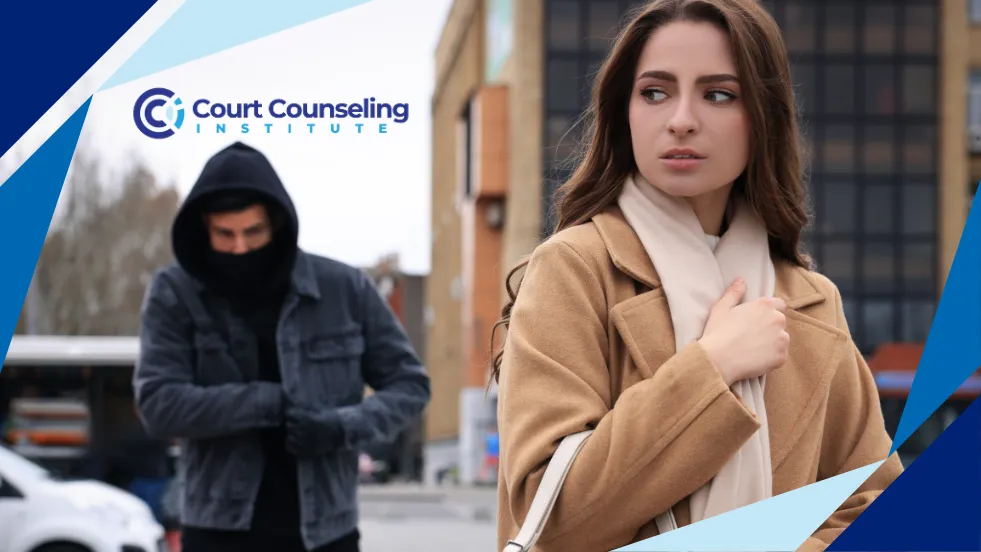
What Is Stalking: Facing the Truth and Choosing a Better Way
Can Someone Quit Stalking? Exploring Behaviour, Boundaries, and Healing
Ever felt like someone just wouldn’t leave you alone? The texts keep coming, the social media tags never stop, or they always seem to “bump into” you at your usual spots. At first, this persistent attention might seem harmless, even flattering. But for the person doing it, stalking is often a misguided attempt to regain control or hold on to a relationship, driven by confusion, fear, or emotional pain. When that attention crosses a line, it becomes stalking, a serious emotional violation that deeply impacts the victim’s sense of safety and well-being.
So, what is stalking from the offender’s perspective? It’s not simply a legal offense or a crime to be punished. Instead, it’s a learned pattern of behaviour fueled by misunderstandings about boundaries, rejection, and respect. Many who stalk don’t set out to cause harm but struggle with managing intense emotions, coping with rejection, or letting go. The solution, therefore, goes far beyond courtroom orders or restraining orders. True and effective intervention is about changing behaviour, helping offenders understand why they act the way they do, teaching them healthy boundaries, and building genuine respect for others’ autonomy. This blog post explains what stalking really looks like through the eyes of the offender, why intervention programs work, and how these programs foster lasting change for individuals, ultimately supporting safer communities for everyone.

What Is Stalking Behaviour and Why Does Someone Stalk?
What is stalking behaviour, exactly? Legally, stalking is a pattern of repeated, unwanted contact that causes fear or distress. But emotionally, it often comes from a place of confusion, hurt, or an inability to let go. So, why does someone stalk?
Common reasons include:
Fear of abandonment
Jealousy or obsession
Lack of coping skills after rejection
A desire to control or monitor someone
Mistaking persistence for affection
People who engage in stalking may not even realize the damage they’re causing. That’s why education and accountability matter. When someone understands why they stalk, they’re more likely to stop.
What Is Stalking and Can Someone Quit Stalking With Therapy?
One of the most common and important questions we hear is: Can someone quit stalking? The honest answer is yes, but it takes the right kind of support, guidance, and education. So, what is stalking if not a learned behaviour? At its simplest, stalking is a repeated pattern of unwanted attention or contact that causes another person to feel fear, distress, or harassment. But stalking is much more than just a legal term, it’s a set of behaviours rooted in emotional struggles, misunderstandings, and unhealthy coping mechanisms. Just like any habit, stalking can be unlearned when people are given tools to better understand themselves and others. Many individuals who engage in stalking someone aren’t fully aware of how their actions affect the people around them. That’s why counseling matters. At Court Counseling Institute, our intervention programs are designed to help participants recognize harmful patterns, understand and respect boundaries, manage intense emotions, and develop healthier ways to respond to rejection or disappointment. Why does someone stalk? Often, it's about control, fear, or unresolved emotional pain, not malice. When someone is required by the court to attend counseling, it's more than just a compliance, it’s a powerful opportunity to change their mindset and behaviour for good.
What Is Stalking and How Boundaries Can Prevent Harm
Let’s talk about boundaries, a concept many people don’t fully grasp until they begin counseling. What is stalking behaviour often comes from a lack of understanding about personal space, emotional limits, and the need for consent. Many who engage in stalking someone don’t realize they’ve crossed a line because they never learned what a healthy boundary looks like. In therapy, individuals explore what boundaries are, whether physical, emotional, or digital, and learn how to recognize when someone is clearly setting one. More importantly, they discover that respect and consent must be practiced consistently, not assumed or forced. Learning how to accept “no” without anger, guilt, or pressure is a huge step toward real change. If you’ve ever wondered why someone stalks, it often traces back to poor emotional coping and an inability to deal with rejection. The good news? With structure and support, can someone quit stalking? Yes, and it starts with learning, not shaming.
What Is Stalking in a Digital World?
Today, what is stalking has evolved, and much of it is happening online. With smartphones, social media, and location tracking, stalking someone doesn’t always mean physically following them. Instead, it might look like:
Tracking their location without permission: Tracking someone’s location without their consent is a serious invasion of privacy. Using GPS, apps, or other technology to monitor where they are can cause fear and distress. This behaviour is controlling and violates personal boundaries, often making the victim feel unsafe and constantly watched.
Repeatedly messaging after being blocked: Continuing to message someone after being blocked shows a refusal to respect their boundaries. This persistent contact can feel harassing and intimidating. It ignores the other person’s clear desire to end communication, causing emotional distress and fear, and is a common form of stalking behaviour that needs to be addressed.
Watching their online activity obsessively: Obsessively monitoring someone’s online actions, such as tracking posts, comments, or interactions, invades their digital privacy. This behaviour stems from a desire to control or know everything about the person’s life. It can lead to anxiety for the victim and reinforces unhealthy patterns of surveillance and obsession.
Creating fake accounts to monitor or contact them: Using fake profiles to follow or contact someone circumvents restrictions and boundaries set by the victim. This deceptive tactic allows stalkers to continue unwanted interaction without being detected, increasing feelings of vulnerability and fear for the targeted person. It's manipulative behaviour that deepens the harm caused.
This is often called cyberstalking, and it can be just as invasive as in-person stalking. At Court Counseling Institute, our online programs include modern education on digital boundaries and how to interact respectfully, both offline and online.

What Is Stalking and How the Court Views It vs. Everyday Life
What is stalking, according to the law? In courtrooms across the U.S., stalking is treated as a serious crime when a person’s repeated actions cause fear, emotional harm, or intimidation. Legally, it typically involves a pattern of unwanted contact, clear signs that the victim felt threatened, and proof of emotional distress. But in everyday life, stalking someone doesn’t always begin with threats. It might start with constant texting, showing up uninvited, or hovering near someone’s workplace. These behaviours might not be “illegal” right away, but they often feel invasive and unsafe. That’s where early intervention matters. Counseling programs help individuals recognize red flags before things escalate to criminal behaviour. If you’ve ever wondered, why does someone stalk, the answer is often a mix of emotional pain and poor boundaries. Through our court-approved programs, we help people shift their behaviour, not just to fulfill a legal requirement, but to genuinely change. Yes, can someone quit stalking? Absolutely, through learning and self-awareness.
What Is Stalking Intervention Really Teaching?
Many people assume court-ordered counseling is just a box to check. But what is stalking intervention really teaching? It’s not just about telling someone, “Don’t do that again.” It’s about:
Teaching emotional intelligence
Helping clients understand how their actions impact others
Showing how to deal with rejection in healthy ways
Building long-term habits of consent, respect, and self-control
Whether someone is stalking due to heartbreak, insecurity, or a misunderstanding of relationships, counseling provides the space and support to grow beyond those impulses. And yes, can someone quit stalking? Absolutely. But they need education, not just consequences.
What Is Stalking and Why Court Counseling Programs Are Effective
Here at Court Counseling Institute, we’ve spent over two decades supporting thousands of individuals mandated by the court for stalking-related behaviours, and one thing is clear: change is possible. What is stalking if not a behaviour that can be unlearned with the right guidance? Through years of experience, we’ve seen firsthand that people can grow when given the proper tools. Boundaries can be taught, emotional regulation can be developed, and accountability doesn’t have to come with shame. Most importantly, everyone deserves a second chance. Our programs are 100% online, court-approved, and led by licensed professionals. They offer privacy, flexibility, and focus on meaningful human growth, not just checking off legal requirements. Whether you’re navigating a legal issue or addressing concerns proactively, our goal is to help you understand why someone stalks and how those harmful patterns begin. Can someone quit stalking? Absolutely. With the right support, structure, and self-awareness, lasting change is possible. You’re not alone, and healing is always within reach.
Ready to Change? Break Free from Stalking Behaviour Today
If you or someone you care about is involved in a case related to stalking someone, remember, there’s hope.Explore our court counseling programs today! Contact us to connect with professionals who understand your journey and where you want to go.